-
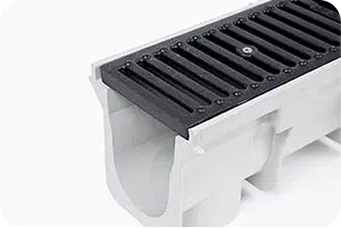
Swiftdrain
6” wide pre sloped trench drain
-
Swiftdrain
6” wide pre sloped trench drain
-
Swiftdrain
6” wide pre sloped trench drain
-
Swiftdrain
6” wide pre sloped trench drain
6” wide pre sloped trench drain
6” wide pre sloped trench drain
6” wide pre sloped trench drain
6” wide pre sloped trench drain
Already have an account?
Continue with email
New user?
Do you already have an account?
Enter the email address associated with your account to receive a link to reset your password
If that email address is in our system, you will receive an email with instructions about how to reset your password in a few minutes.
Swiftdrain
6″ wide pre sloped trench drain
Swiftdrain
6″ wide pre sloped trench drain
Swiftdrain
6″ wide pre sloped trench drain
Swiftdrain
6″ wide pre sloped trench drain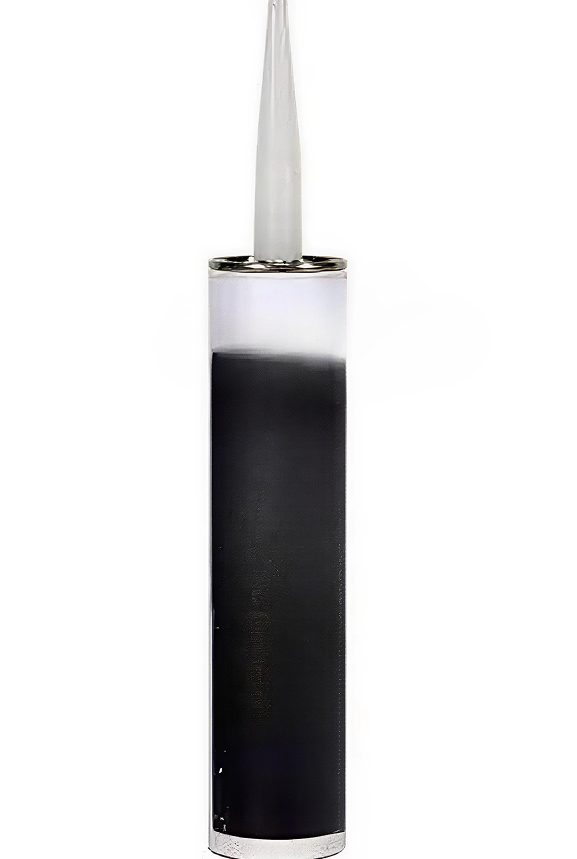
Properly sealing trench drain joints is essential forpreventing leaks, maintaining structuralintegrity, and complying with environmental regulations. Whether you needtoaccommodateexpansion and contraction, contain chemicals, or ensure long-term waterresistance, selecting the right sealant is crucial. Swiftdrain offers a range offlexible and rigidsealantsengineered to meet the demands of various trench drain applications.
When designing a trench drain system, understanding how and where to use joint sealants is key to preventing failure and minimizing maintenance.
In long runs of trench drains,expansion joints are necessary to account for temperature fluctuations and material movement.
These joints should be placed at the ends of a trench run rather than within the drain itself.
If movement joints must pass through a trench drain, placing them at a bell-and-spigot joint allows controlled movement without structural compromise.
A bond breaker is used behind the trench joint, with a flexible urethane sealant applied to maintain a watertight connection
Industrial and commercial applications often require trench drains to resist chemical exposure
The more chemically resistant a sealant, the less flexible it typically is
Some chemicals cause minimal damage, while others aggressively degradestandard trench drain materials and sealants.
To maximize durability, minimize movement in the trench drain systembyreinforcing concrete encasementand ensuring stable soil compaction toprevent shifting.
Swiftdrain offers bothflexible and rigid sealantstailored to specific performance needs.
Ideal for sealing joints in trench drains exposed to water, oils, and light chemical exposure.
Best suited for automotive shops, fire stations, kennels, and general-purpose drainage applications.
Urethane-based sealants provide high adhesion and flexibility, ensuring effective sealing in areas with slight movement. without structural compromise.
Used for permanent, watertight joints in environments where flexibility is not required.
Composed of fiber-reinforced polyester or vinyl ester resins, these sealants provide superior chemical resistance.
Applied in heavy-duty industrial environments, chemical processing plants, and areas where secondary containment is required.
For a joint sealant to perform effectively, proper installation is essential.
The joint area must be clean, dry, and free of dust or debris.
A roughened surface improves adhesion and ensures astrong, long-lasting bond
For urethane-based flexible sealants, apply in a continuous bead along the joint,ensuring full coverage.
For rigid fiber-reinforced sealants, mix and apply within the working time window, ensuring complete penetration into the joint
Critical containment applications should undergo a water test before concrete encasement.
By plugging outlet pipes and filling the trench with water, leaks can be identified and addressed before final installation
Use flexible urethane sealants for general water resistance, or rigid fiber-reinforced sealants for higher chemical exposure.
Flexible urethane sealants work well for water containment, while rigidsealants provide durability in chemical-heavy environments.
Preferred sealing method is welding, ensuringa seamless, bacteria-resistant connection.
Preferred sealing method is welding, ensuringa seamless, bacteria-resistant connection.
Rigid vinyl ester sealants ensure a watertight, chemical-proof seal for hazardous material containment.