My Cart

Product image

Swiftdrain

6″ wide pre sloped trench drain
1
$2,852
Product image

Swiftdrain

6″ wide pre sloped trench drain
1
$2,852
Product image

Swiftdrain

6″ wide pre sloped trench drain
1
$2,852
Product image

Swiftdrain

6″ wide pre sloped trench drain
1
$2,852
Total $5704.00
Checkout

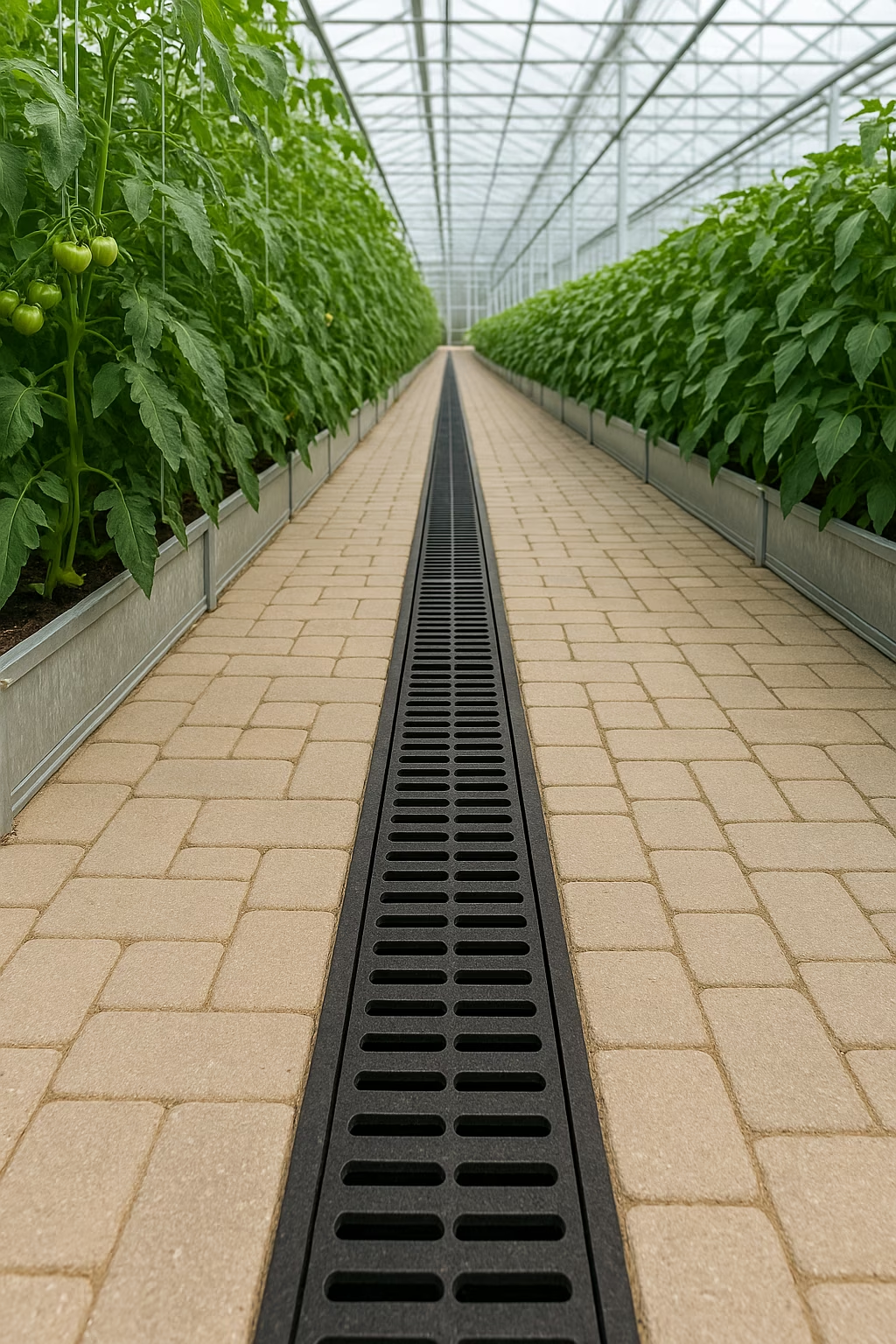
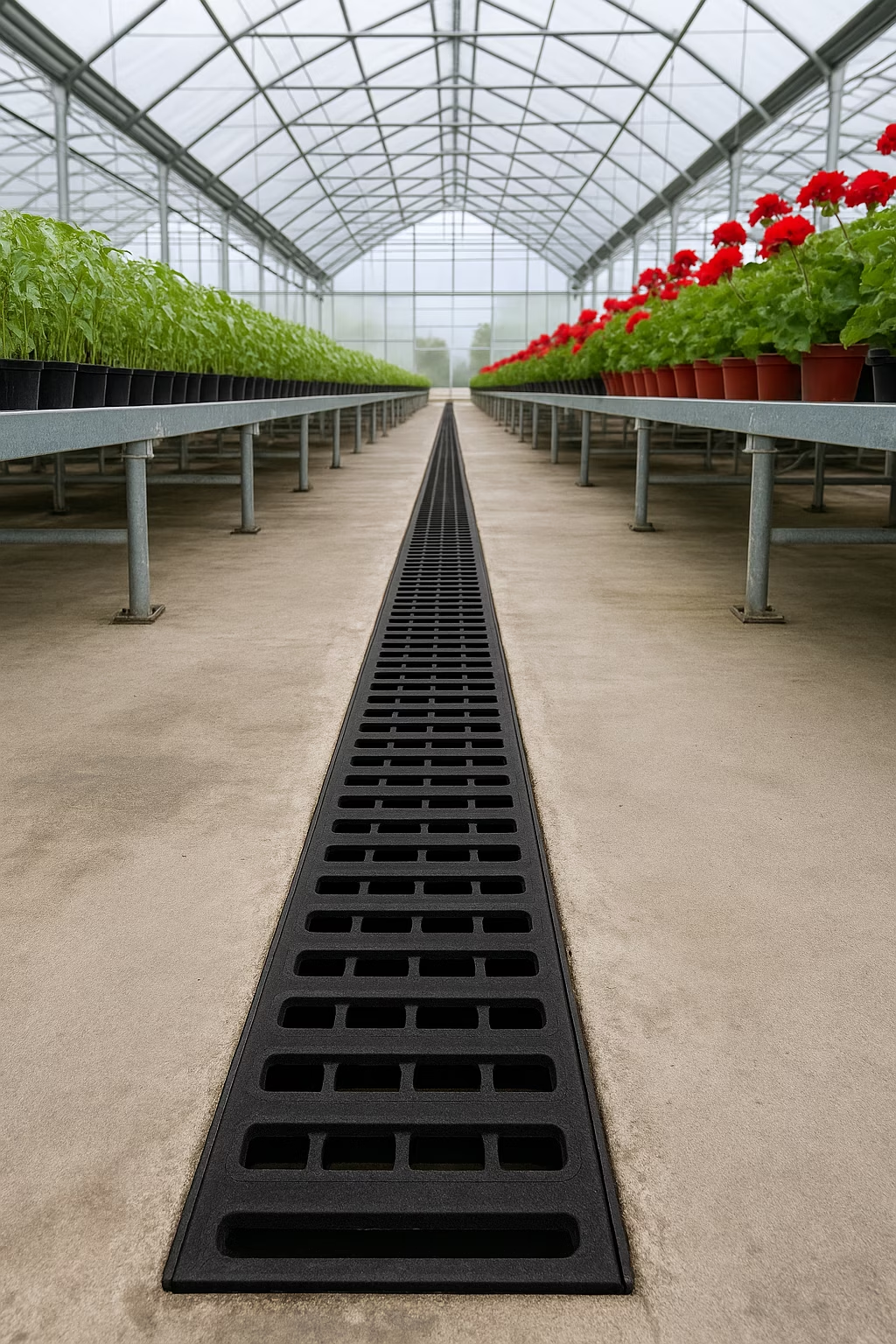
Greenhouses and Grow Trench Drain Systems

application image

Efficient, Durable, and Plant-Safe Drainage for Controlled Growing Environments

Greenhouses require trench drainage systems engineered to manage irrigation runoff, humidity, fertilizers, soil sediment, and washdown water while maintaining stable growing conditions. Whether used for commercial horticulture, hydroponic operations, research greenhouses, or retail garden centers, proper drainage ensures plant health, structural safety, and overall environmental control within the facility.

This application page outlines the engineering requirements, environmental demands, operational considerations, and optimal drainage layouts specifically designed for greenhouse environments.

Why Proper Drainage Matters in Gr eenhouses

Greenhouses operate as controlled environments, and poor drainage disrupts temperature, humidity, and sanitation. Ineffective drainage can cause:

  • Standing water that fosters fungal growth, algae, and bacteria
  • Wet floors that create slip hazards for staff
  • Plant root rot from oversaturation
  • Increased humidity that disrupts climate control
  • Soil erosion or nutrient runoff
  • Pooled water beneath benches or along aisles
  • Damage to greenhouse foundations and walkways

A well-engineered trench drain system maintains environmental stability and supports consistent horticultural output.

Requirements Engineering for Greenhouse Trench Drain Systems

Drainage in greenhouses must accommodate plant-specific needs, environmental controls, and operational demands

applications image

Functional Requirements

Controlled Water Removal

  • Must efficiently remove irrigation runoff without drying surrounding soil beds excessively
  • Helps manage water distribution in hydroponic and substrate-based systems

Debris and Sediment Handling

  • Must handle soil, plant clippings, sands, fertilizers, and organic matter
  • Should allow for easy cleaning and sediment removal

Washdown Compatibility

  • Floors are frequently rinsed for sanitation
  • Drainage must accommodate consistent, moderate washdowns
applications image

Environmental Requirements

Fertilizer and Chemical Resistance

  • Greenhouses use fertilizers, nutrients, pesticides, and growing additives
  • Drain materials must not corrode or degrade under exposure

UV and Humidity Resistance

  • High solar exposure requires UV-stable materials
  • Drains must resist mold, algae, and prolonged moisture

Temperature Stability

  • Greenhouses may experience rapid temperature changes
  • Materials must maintain structural integrity

Mechanical Requirements

Light-to-Medium Load Capacity

  • Greenhouses experience:
  • Foot traffic
  • Nursery carts
  • Rolling benches
  • Light utility vehicles (depending on facility type)

Flush Installation

  • Drains must sit flush to allow carts and equipment to pass without obstruction

Structural Stability

  • Channels must remain aligned in wet or soft soil conditions

Material Selection Criteria

Greenhouse environments require materials that are safe for plant life and resistant to moisture and chemicals

Load Rating Considerations

Load Class Description Greenhouse Usage
Class A Pedestrian Propagation rooms, walkways, growing aisles
Class B Light carts Nursery carts, rolling benches, small equipment

Grate Material Considerations

Polymer or Composite Grates

Corrosion resistant

Lightweight and easy to remove for cleaning

Ideal for moisture-rich greenhouse environments
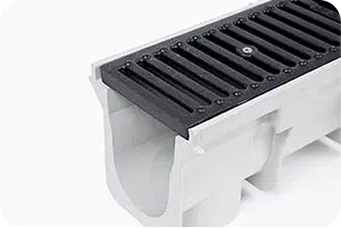
Stainless Steel Grates

Highly hygienic

Suitable for research, propagation labs, and clean growing zones

Ductile Iron Grates

Used in outdoor nursery or greenhouse service areas with higher load needs

Channel Material Considerations

HDPE Channels

UV stabilized

Resistant to fertilizers, nutrients, and water additives

Lightweight for easy installation in soil or concrete settings

Suitable for long linear runs in greenhouse aisles

Polymer Concrete Channels

Used in commercial-scale or high-moisture hydroponic operations

Strong and durable for higher load requirements

Stainless Steel Channels

Ideal for research greenhouses or premium horticultural labs

Site Conditions to Evaluate

Irrigation Type

Overhead, drip, flood, or hydroponic systems produce different runoff patterns

Soil and Substrate Conditions

Soil-based systems produce sediment runoff

Hydroponic systems require chemical-resistant drains

applications image

Humidity and Ventilation

Drainage must not create localized humid zones

Foundation Type

Concrete slabs, gravel beds, and soil floors each require different drain anchoring

Greenhouse Drainage Layout Considerations

Central Aisle Linear Layout

Drain installed along main walkways

Captures water flowing from growing benches or grow lines

Perimeter Drain Layout

Surrounds growing beds or hydroponic troughs

Prevents overspill and directs water to a central outlet

Bench Run Layout

Drains installed under or between rolling benches

Ideal for propagation and nursery greenhouses

Multi-Zone Layout

Divides greenhouse into controlled drainage sectors

Useful for varying irrigation levels between zones

Entryway or Transition Area Layout

Prevents water from tracking outside the greenhouse

Keeps walkways safe and dry

User and Operational Requirements

Plant Safety

Materials must not leach harmful chemicals

Smooth interior surfaces prevent mold or algae buildup

Sanitation

Must allow easy washdown with minimal bacterial harbor points

Low Maintenance

Easy grate removal for debris cleaning

Channel surfaces that minimize sediment buildup

Durability in Wet Conditions

Resistant to continuous moisture, soil contact, and plant material

Engineering Considerations

Hydraulic Capacity

Must manage varying levels of irrigation runoff and washdown cycles

Support & Bedding

Drains must remain stable in soil or concrete environments

Engineering Considerations

Engineering Considerations

Grading

Floors or soil beds must slope gently toward drainage lines

Thermal & Moisture Movement

Materials must accommodate greenhouse temperature swings

Product Recommendation

BrewMaster 600 (6-Inch HDPE Channel System)

With Stainless Steel or Polymer Grates (Recommended for Most Greenhouse Applications)

Key Features

  • HDPE channels resist fertilizers, nutrients, and pesticides
  • Smooth, sanitary interior improves drainage performance
  • Stainless steel or polymer grate options for corrosion resistance
  • Lightweight for installation in soil, gravel, or concrete
  • Ideal for low-load pedestrian and cart traffic

Best For

  • Growing aisles
  • Propagation rooms
  • Drip irrigation zones
  • Greenhouse walkways and work areas

Product Recommendation

QuickSilver 6-Inch Complete Stainless Steel System

Premium Sanitary and Corrosion-Resistant Drainage

Key Features

  • Full stainless steel system: channel + grate
  • Maximum sanitation for food-safe or research greenhouses
  • Resistant to nutrient solutions, acids, and disinfectants
  • Ideal for controlled environments requiring strict hygiene

Best For

  • Research greenhouses
  • Hydroponic labs
  • High-end horticultural facilities
  • Greenhouses connected to food production operations

Product Recommendation

SwiftDrain 200 Series (For Heavy-Duty Service Areas)

High-Performance Concrete with Stainless Steel Grates

Key Features

  • Polymer concrete system with increased load capacity
  • Best for greenhouse service yards, equipment areas, and loading points
  • Heavy-duty strength supports utility vehicles and equipment

Best For

  • Equipment storage areas
  • Adjacent nursery yards
  • Heavy cart routes or tractor-access areas

Final Recommendations

Growing and Irrigation Zones

Use BrewMaster 600 (HDPE system)

  • Corrosion-resistant
  • Ideal for moisture-rich environments

Research, Hydroponic Labs, and High-Sanitation Spaces

Use QuickSilver 6-inch full stainless system

  • Maximum hygiene
  • Long-term corrosion resistance

Heavy-Duty Greenhouse or Nursery Service Areas

Use SwiftDrain 200 Series polymer concrete with stainless grates

  • Designed for carts, tractors, and heavier equipment
join-bg

Request Technical Specifications

Create a safer, cleaner, and more efficient greenhouse environment with trench drain systems engineered for moisture, irrigation, organic material, and chemical exposure. Our BrewMaster 600, QuickSilver stainless steel systems, and SwiftDrain 200 Series offer complete solutions for every greenhouse application.

Request technical specifications, CAD drawings, or speak with a greenhouse drainage specialist to begin designing your system.

Contact Us Today
join-card