Ductile Iron Grates
Recommended for nearly all fueling zones
High strength and excellent chemical durability
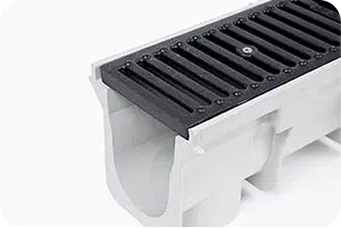
6” wide pre sloped trench drain
6” wide pre sloped trench drain
6” wide pre sloped trench drain
6” wide pre sloped trench drain
Already have an account?
Continue with email
New user?
Do you already have an account?
Enter the email address associated with your account to receive a link to reset your password
If that email address is in our system, you will receive an email with instructions about how to reset your password in a few minutes.
Swiftdrain
6″ wide pre sloped trench drain
Swiftdrain
6″ wide pre sloped trench drain
Swiftdrain
6″ wide pre sloped trench drain
Swiftdrain
6″ wide pre sloped trench drain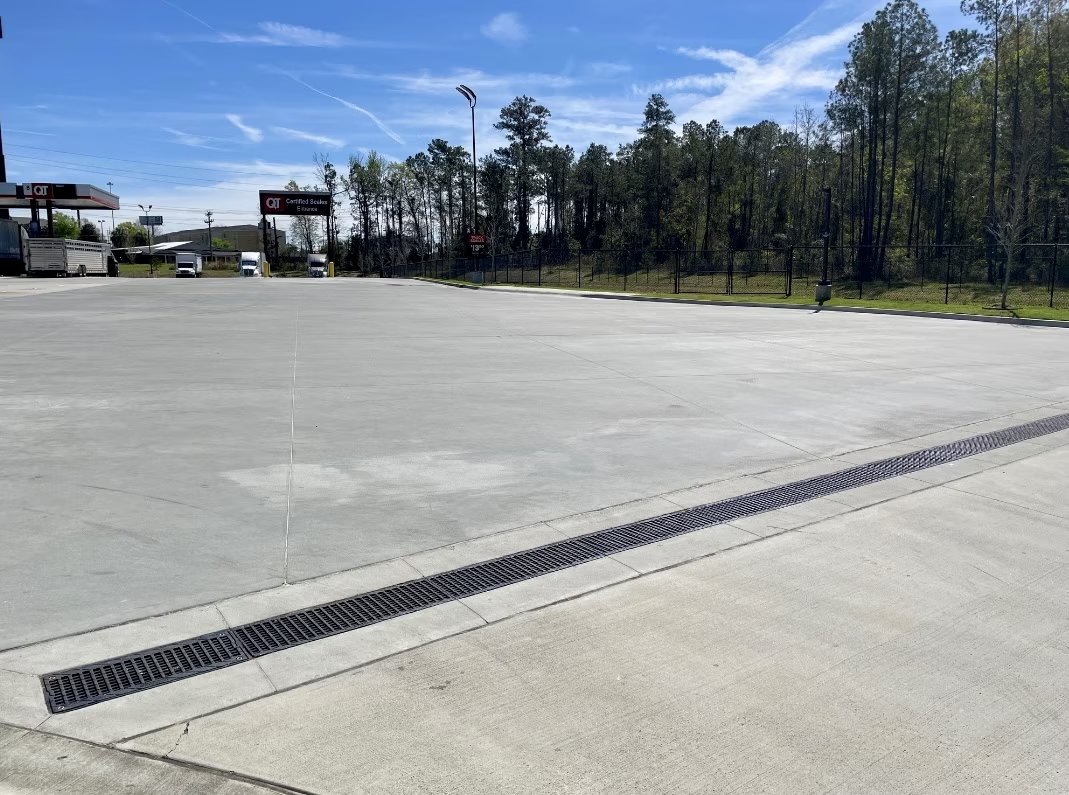
Gas stations demand trench drain systems that handle high-flow stormwater, fuel and chemical containment, heavy vehicle traffic, and strict environmental regulations. Whether the fueling station is standalone, part of a travel center, or incorporated into a convenience store complex, drainage must support safety, compliance, spill control, and lon g-term performance.
This application page outlines engineering requirements, material selection guidelines, site conditions, load classifications, layout strategies, and optimal trench drain system recommendations tailored specifically for gas stations.
Fueling surfaces continuously face exposure to runoff containing contaminants and heavy traffic loads. Poor drainage can lead to:
A well-designed trench drain system ensures safe fueling, protects the environment, and prolongs the lifespan of the site.
Gas station drainage systems must balance hydraulic performance, environmental safety, st ructural durability, and engineered layout design.
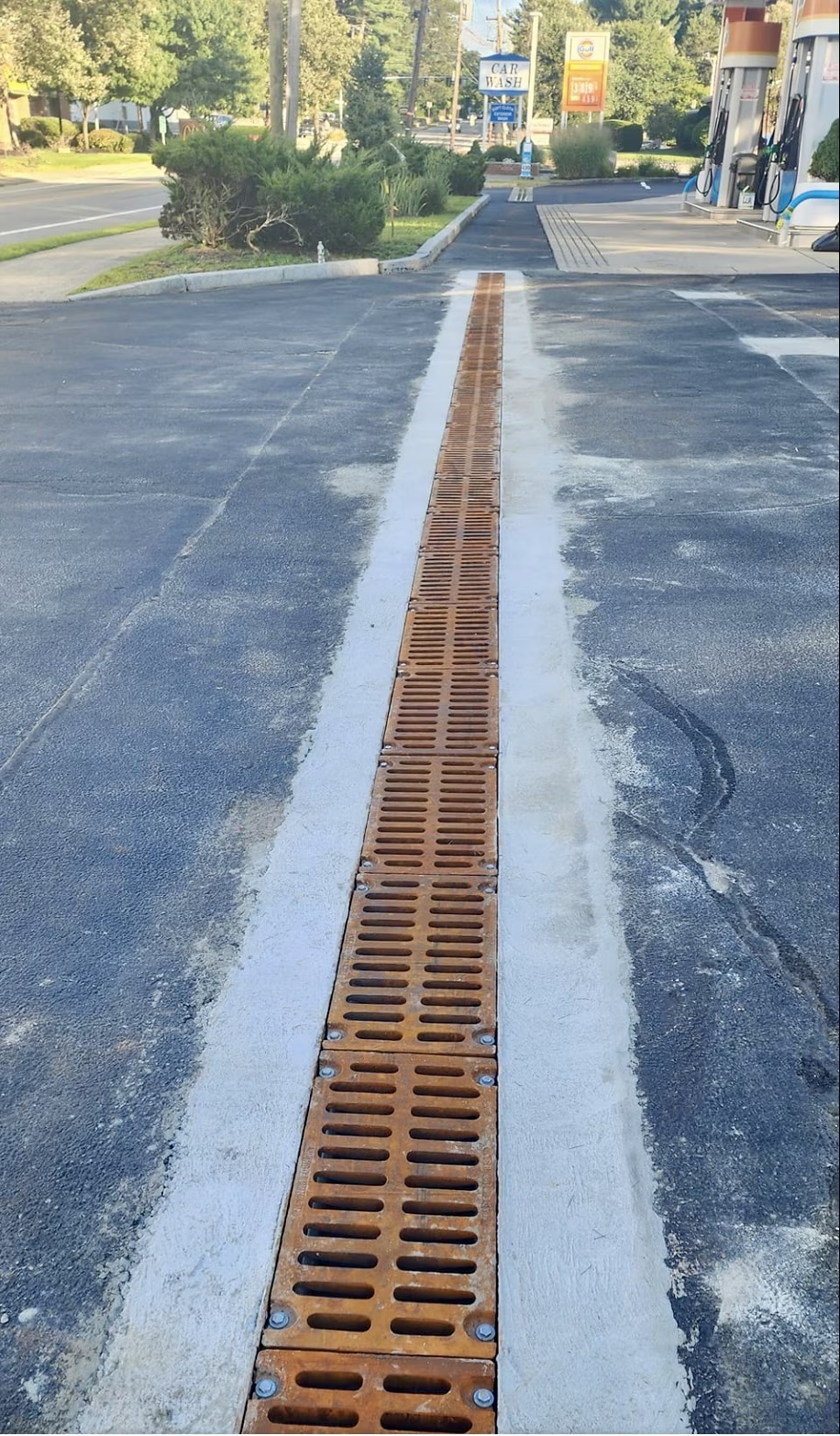
Gas stations require trench drain systems built from materials capable of withstanding extreme conditio ns
| Load Class | Description | Gas Station Usage |
|---|---|---|
| Class C | Moderate vehicle loading | Passenger fueling lanes |
| Class D | Heavy-duty vehicle zones | Fuel tanker truck lanes |
| Class E/F | Extreme loading | Travel centers and truck stops |
Recommended for nearly all fueling zones
High strength and excellent chemical durability
Good for moderate traffic areas
Economical option
Ideal for premium or architectural designs
High corrosion resistance
Suitable for perimeter or pedestrian zones
Lightweight and corrosion-resistant
Correct drainage begins with understanding the specific environmental and structural constraints at the site.
Pads are typically sloped to direct runoff to trench drains. Improper slope creates standing water and safety issues.
Canopy design affects rainfall distribution on fueling surfaces.
Areas with clay or poor compaction require reinforced bedding.
Regulations may require oil-water separators, containment basins, and environmental protection systems.
Drains must align with concrete joints to prevent cracking.
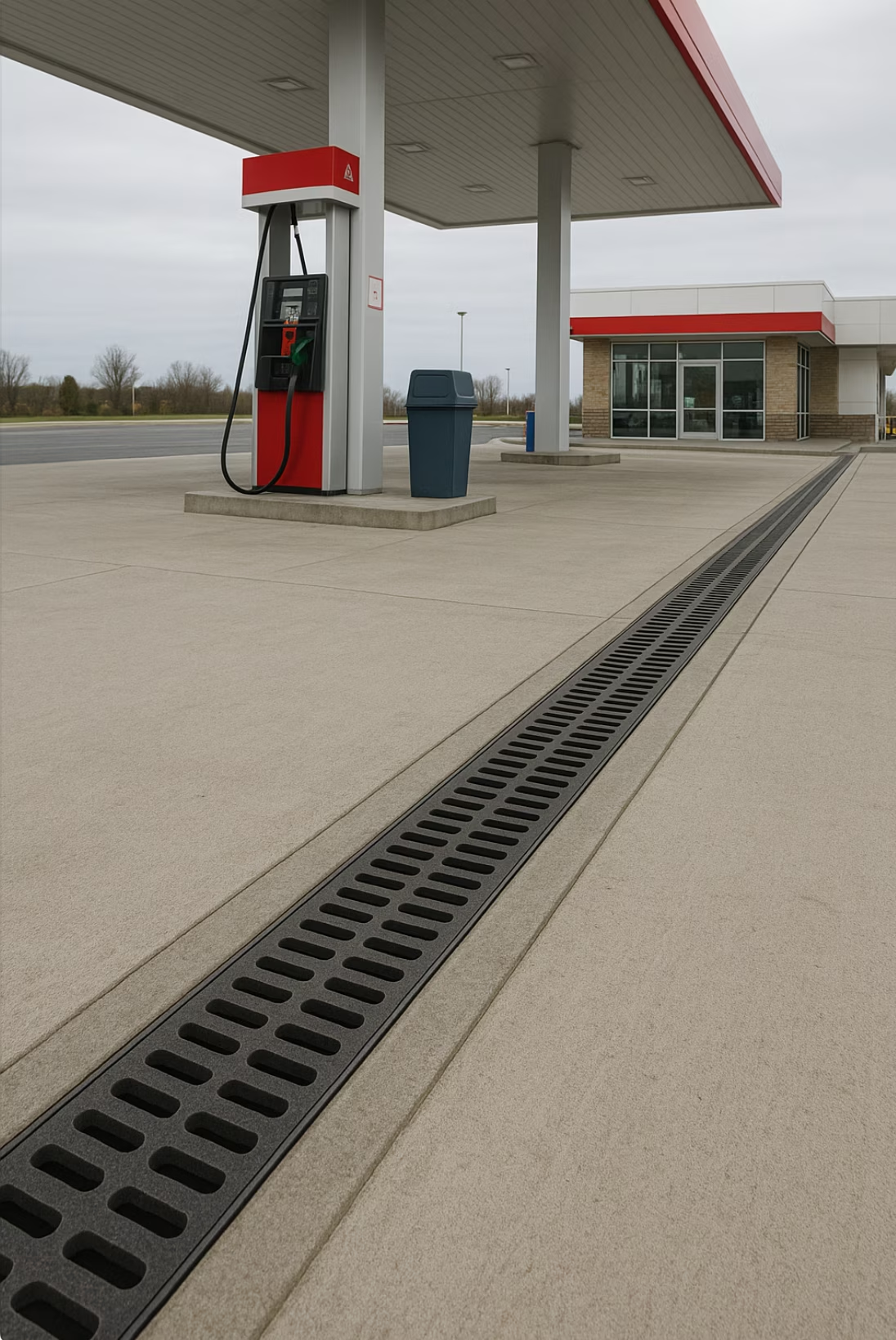
Gas stations vary widely in design. Trench drain layouts must match the forecourt structure, traffic flow, and environmental control requirements.
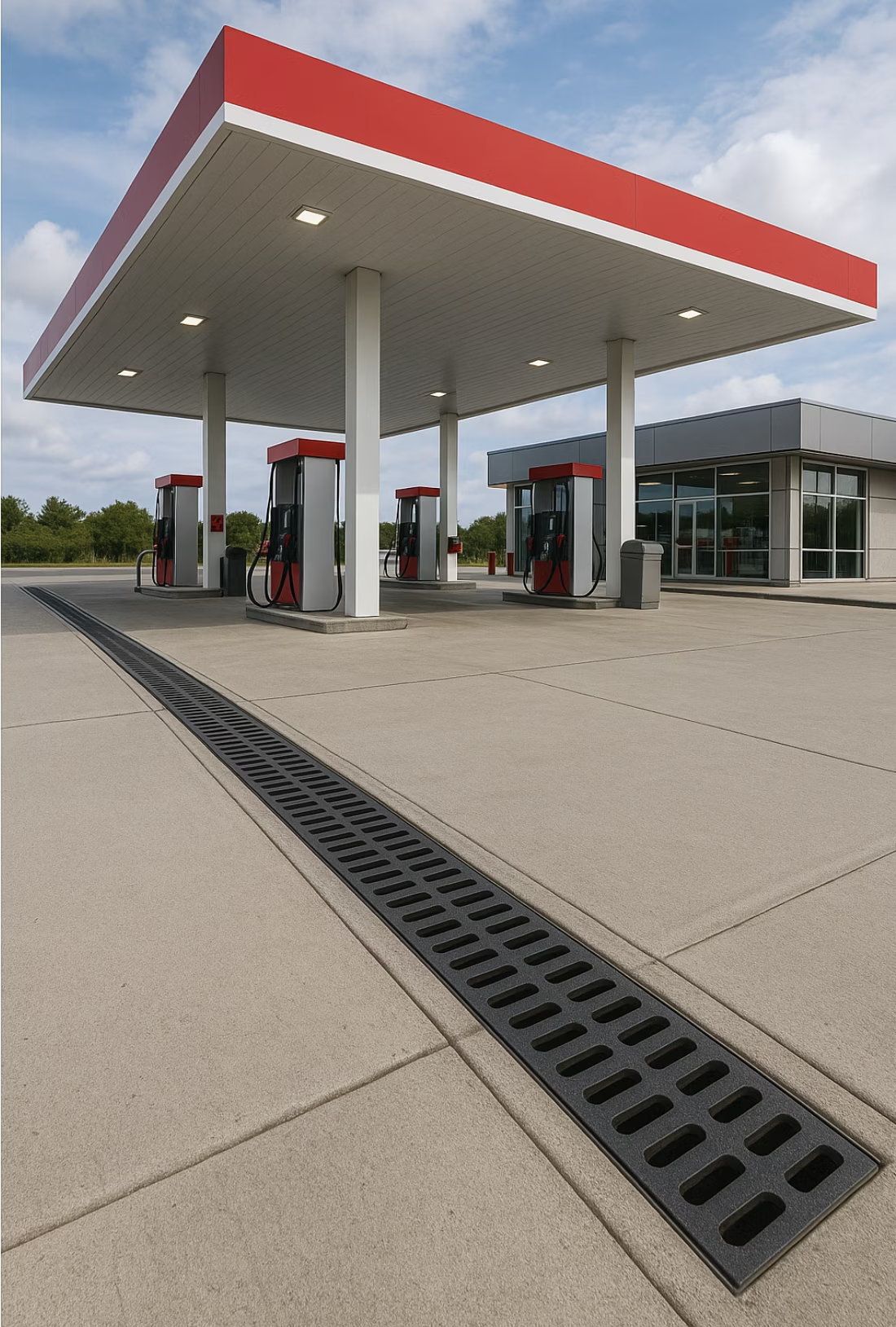
Use polymer concrete trench drains with ductile iron Class D or E grates
Use HDPE or polymer concrete channels with ductile iron or composite grates
Use precast concrete or polymer concrete trench drains with F-rated ductile iron grates
Use stainless steel or composite grates

Design a safe, compliant, and d urable gas station drainage system
with engineered trench drain solutions specifically suited for
fueling environments. Whether the station follows a central
forecourt layout, perimeter design, or hybrid configuration,
selecting the correct drainage materi als and load rating is
essential for long - term performance and environmental
protection.
Request technical specifications, access CAD drawings, or consult
with a gas station drainage specialist to design your system.
