My Cart

Product image

Swiftdrain

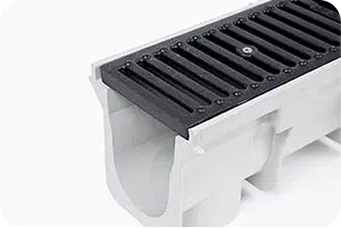
6″ wide pre sloped trench drain
1
$2,852
Product image

Swiftdrain

6″ wide pre sloped trench drain
1
$2,852
Product image

Swiftdrain

6″ wide pre sloped trench drain
1
$2,852
Product image

Swiftdrain

6″ wide pre sloped trench drain
1
$2,852
Total $5704.00
Checkout

Bridges & Tunnels Trench Drain Systems

application image

High-Capacity, Structurally Integrated Drainage for Bridge Decks, Underpasses, Tunnels, and Transportation Structures

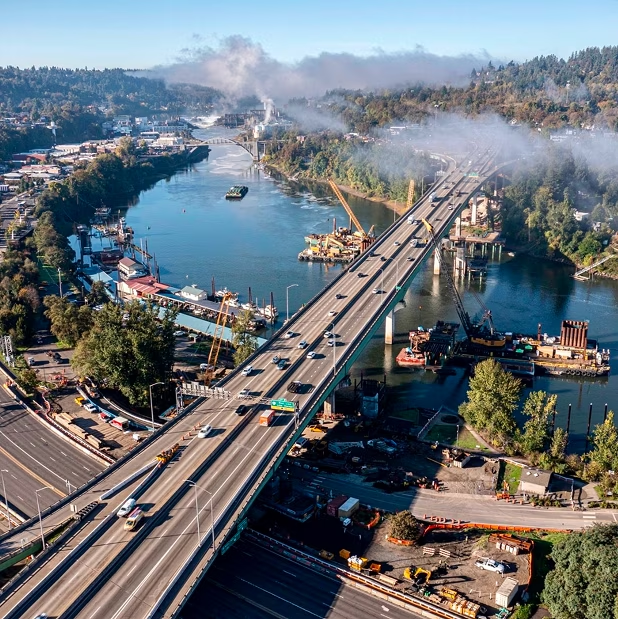
Bridges, overpasses, tunnels, and underpasses require trench drainage systems engineered for extreme loading, continuous moisture exposure, and precise hydraulic control. These environments experience constant vibration, heavy vehicular traffic, flood-prone conditions, and significant environmental stress. Drainage must be structurally sound, corrosion resistant, and capable of long-term performance under Department of Transportation (DOT) standards and bridge engineering criteria.

This page outlines engineered trench drainage solutions designed for bridges, tunnels, and enclosed or elevated transportation infrastructure.

Why Proper Drainage Is Critical for Bridges & Tunnels

Drainage failures on bridge decks or within tunnels can compromise safety, structural integrity, and travel continuity. Without engineered trench drain systems, these structures may experience:

  • Standing water that leads to skidding and hydroplaning
  • Freeze–thaw damage on bridge decks
  • Flooding inside tunnels and underpasses
  • Premature deterioration of concrete, joints, and expansion assemblies
  • Corrosion of reinforcement steel or metal structures
  • Damage to waterproofing membranes
  • Erosion of abutments, approaches, and parapet bases
  • Increased maintenance and emergency closure events

Reliable trench drainage protects both the structure and the traveling public.

Requirements Engineering for Bridge & Tunnel Drainage

Drainage solutions for bridges and tunnels must be engineered to meet both hydraulic and structural performance requirements unique to elevated and enclosed transportation structures.
applications image

Functional Requirements

Reliable Stormwater Capture

Must evacuate water from bridge decks, curbs, gutters, and tunnel floors

Prevents puddling, surface icing, and spray hazards

Structural Integration

Drainage must integrate with precast or cast-in-place bridge deck designs

Tunnel drainage must work with sloped pavement and sump pumping systems

DOT & Highway Specification Compliance

Materials, load ratings, and installation methods must meet transportation engineering standards

applications image

Environmental Requirements

Weather & Freeze–Thaw Exposure

Bridges are exposed to wind, ice, snow, and severe temperature fluctuations

Corrosion Resistance

Bridge and tunnel drains must tolerate:

De-icing salts

Fuel and oil runoff

Road chemicals

Moisture and condensation

Flood & Inflow Management

Tunnel systems must withstand high inflow volumes during storms

Mechanical Requirements

Extreme Load Resistance

Bridges and tunnels carry:

  • Passenger vehicles
  • Semi-trucks
  • Emergency vehicles
  • Snowplows
  • Maintenance machinery

Vibration & Impact Resistance

  • Must endure repeated wheel impact and vibration cycles
  • Must withstand plow blade strikes

Long-Term Stability

  • Frames must stay fixed in place for decades of service
  • Channels must resist shifting from dynamic loading

Site Conditions to Evaluate

Bridge Deck Geometry

Crown, slope, and gutter alignment determine trench drain placement

Expansion Joints

Requires drainage that will not interfere with joint movement
applications image

Tunnel Slope & Pump Stations

Drain location must accommodate sump systems and tunnel elevation

Structural Depth

Bridges often have limited slab depth; shallow-profile options may be required

Freeze–Thaw & Salt Regions

Strong chemical- and freeze-resistant systems are needed
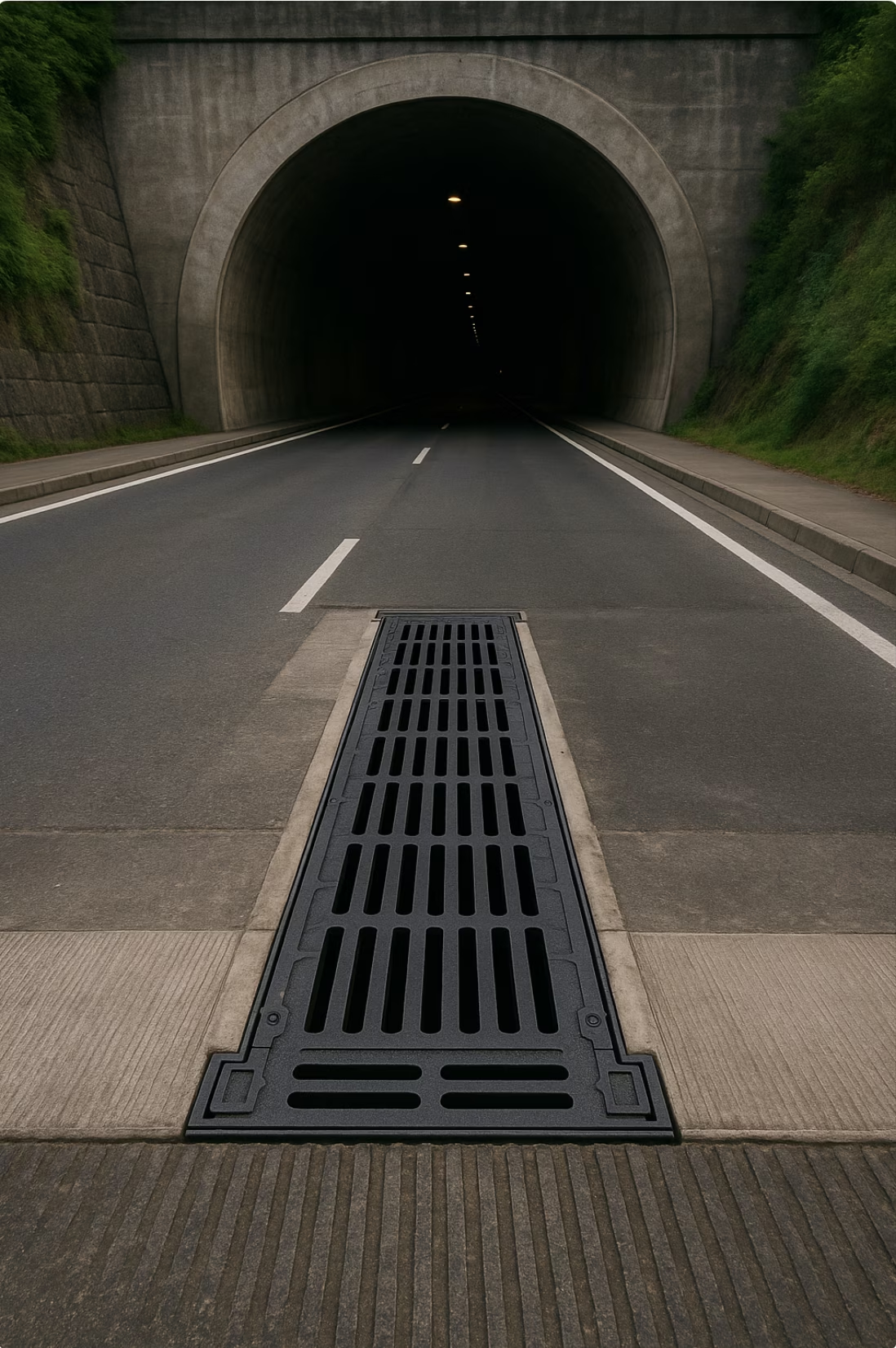
Bridges & Tunnels Drainage Layout Considerations

Bridge Deck Edge Drainage

Trench drains installed along curbs or gutters

Captures runoff before it reaches expansion joints

Median Drainage Systems

Ideal for elevated corridors requiring centralized collection

Tunnel Centerline & Side Drains

Positioned in low points or along tunnel walls

Designed for integration with sump pumps

Underpass Drainage

Prevents water accumulation below grade

Often requires wide-throat drains for flash storm events

Entrance & Exit Grade Control

Drains capture stormwater flowing into tunnel portals

User and Operational Requirements

Safety

Reduces hydroplaning, splash-back, and icing risks

Longevity

Systems must function reliably for decades

Low Maintenance

Easy grate removal for DOT cleaning operations

Heavy-Duty Durability

Must survive constant traffic impact and plow blade strikes

Engineering Considerations

Structural Anchoring

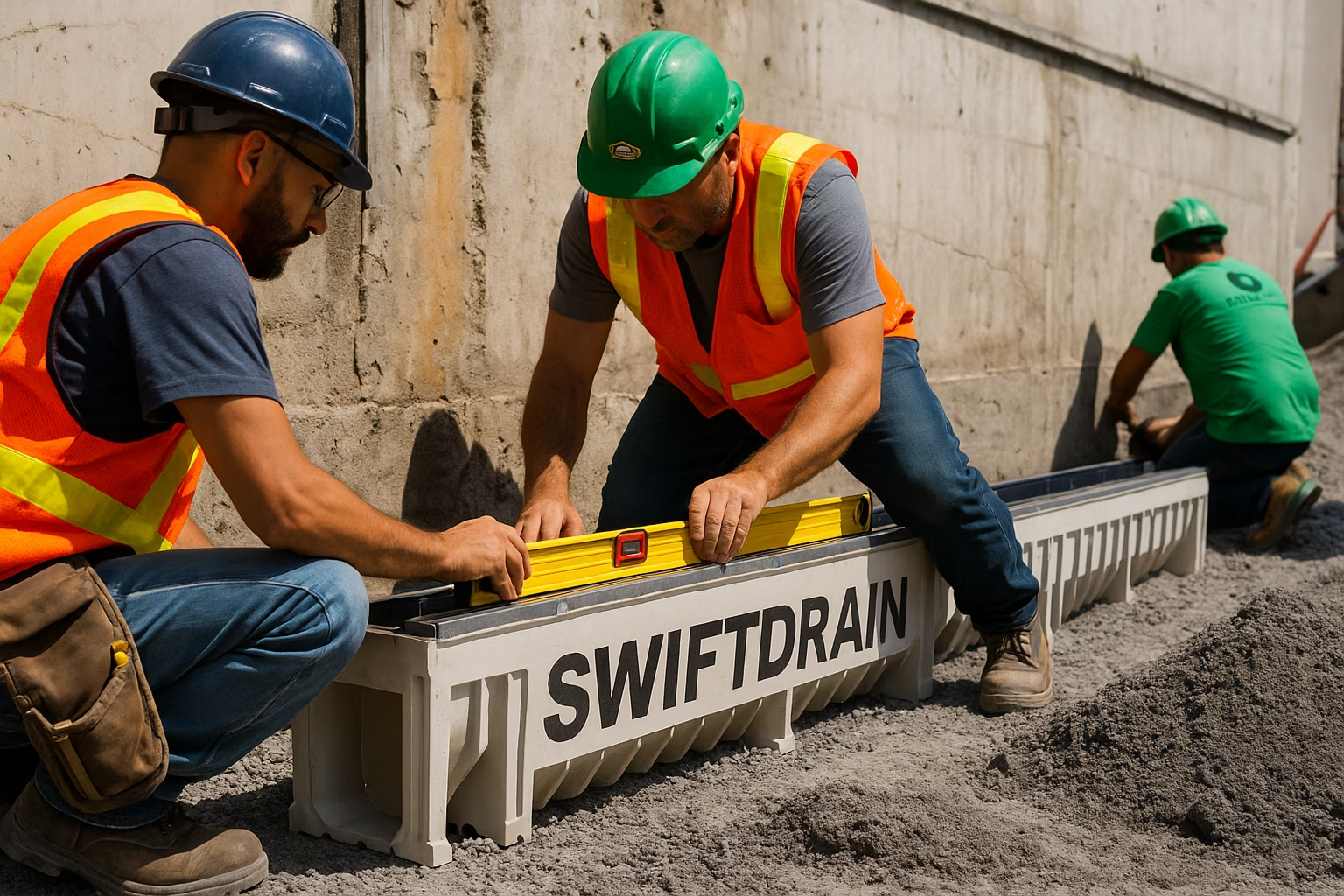
Cast-in-place structural anchoring is ideal for bridges

Hydraulic Capacity

High hydraulic capacity systems required for tunnel inflow

Engineering Considerations

Engineering Considerations

Ductile Iron Grates

Ductile iron grates for long-term heavy load protection

Pre-Sloped Channels

Pre-sloped channels improve evacuation in long tunnel corridors

Corrosion-Resistant Materials

Corrosion-resistant materials prevent deterioration from salts and chemicals

Product Recommendation

SwiftDrain LEO 1200 – 12-Inch Cast-In-Place Ductile Iron System

Ideal for maximum stormwater flow, extreme loads, and DOT-grade environments

Key Advantages

  • Cast-in-place integration provides monolithic strength
  • 12" wide throat handles large stormwater volumes
  • Ductile iron frame & grate withstands heavy truck and plow traffic
  • Superior for bridge decks, highway approaches, and tunnel entrances

Perfect For

  • Bridge decks & expansion joint transitions
  • Tunnel approaches & underpasses
  • Median drainage on elevated corridors
  • Heavy-load DOT drainage channels

Product Recommendation

SwiftDrain 300 Series – High-Performance Polymer Concrete

Extreme-duty structural strength for roadways, tunnels, and approaches

Key Advantages

  • Superior compressive strength for extreme vehicular loading
  • Resistant to salts, fuels, solvents, and roadway chemicals
  • Optional pre-sloped channel designs for improved flow

Perfect For

  • Tunnels & enclosed corridors
  • Roadway approaches to bridges
  • Ramp structures & elevated highway transitions
  • Urban tunnels & DOT-grade corridors

Final Recommendations

For Bridges, Overpasses & Elevated Structures

Use SwiftDrain LEO 1200

  • Superior cast-in-place strength
  • Maximum hydraulic flow
  • Best for extreme DOT-grade loading

For Tunnels, Underpasses & Roadway Approaches

Use SwiftDrain 300 Series

  • High-performance polymer concrete
  • Excellent chemical and impact resistance
  • Suitable for heavy traffic and continuous moisture
join-bg

Request Technical Specifications

Ensure long-term safety, performance, and structural integrity on bridges and tunnels with trench drain systems e ngineered for the transportation sector. SwiftDrain LEO 1200 and SwiftDrain 300 Series provide unmatched durability and hydraulic performance for these critical infrastructure applications.

Contact Us Today
join-card