My Cart

Product image

Swiftdrain

6″ wide pre sloped trench drain
1
$2,852
Product image

Swiftdrain

6″ wide pre sloped trench drain
1
$2,852
Product image

Swiftdrain

6″ wide pre sloped trench drain
1
$2,852
Product image

Swiftdrain

6″ wide pre sloped trench drain
1
$2,852
Total $5704.00
Checkout

Airports, Runways & Hangars Trench Drain Systems

application image

Extreme-Duty, High-Capacity Drainage for Airfields, Taxiways, Aprons, and Aircraft Maintenance Facilities

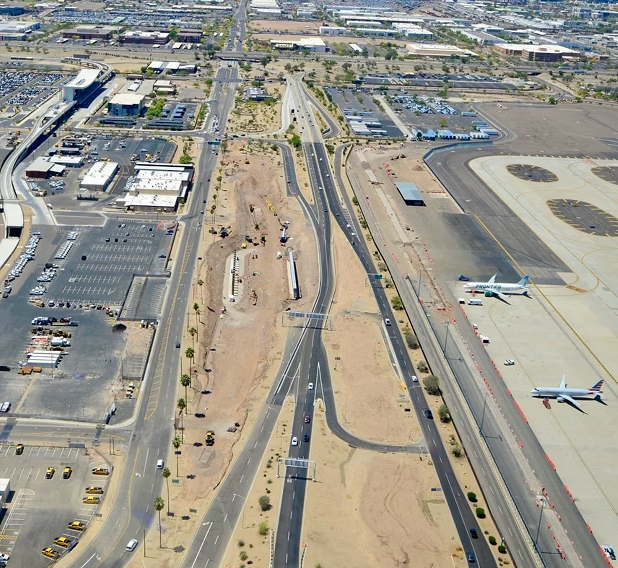
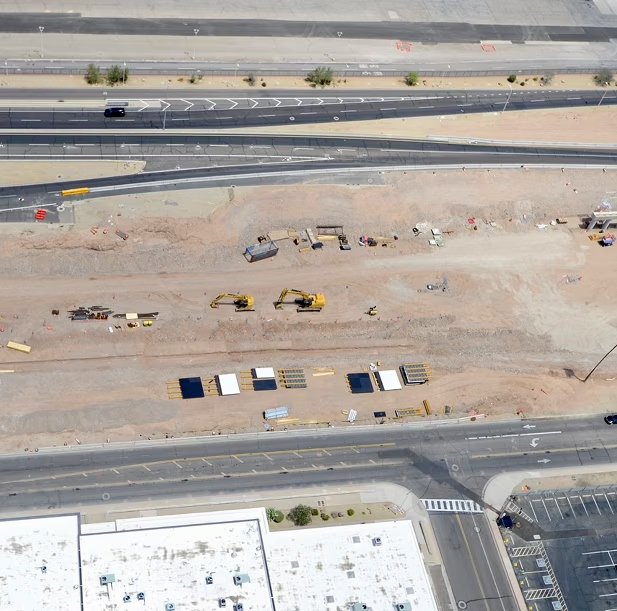
Airports, aircraft hangars, runways, and aviation support structures require the most robust drainage systems available in regards to sizing and load capacity . These environments face enormous mechanical loads, high-volume stormwater flow, fuel and chemical exposure, and strict safety requirements. Whether at commercial airports, military airfield s, regional aviation facilities, or private hangars, trench drainage must withstand aircraft weights, turning loads, and harsh climatic conditions.

This applications page outlines engineered trench drain solutions designed specifically for aviation-grade e nvironments.

Why Proper Drainage Matters on Airfields

Airside environments operate under extreme conditions. Without properly engineered trench drainage, airports may experience:

  • Standing water that increases hydroplaning risk for aircraft
  • Flooding on runways, aprons, taxiways, and hangar floors
  • Pavement deterioration from fuel spills, hydraulic fluid, and de-icing chemicals
  • Safety hazards for aircraft, ground service vehicles, and maintenance staff
  • Regulatory violations under FAA, ICAO, and local airfield drainage requirements
  • Interference with aircraft maneuvering and braking operations
  • Elevated long-term maintenance and resurfacing costs

A durable trench drainage system ensures airfield safety, reduces operational disruptions, and protects aviation infrastructure.

Requirements Engineering for Airfield Drainage

Airport trench drains must meet the highest standards of structural integrity, chemical resistance, and hydraulic capacity.

applications image

Functional Requirements

Rapid Stormwater Removal

Must handle intense rainfall and airfield runoff

Prevents ponding on runways, aprons, gates, and fueling areas

Fuel & Chemical Exposure Resistance

Drain systems must tolerate:

Jet fuel

Hydraulic fluid (Skydrol)

Glycol-based de-icing chemicals

Solvents and detergents

High Hydraulic Capacity

Large throat designs required for deep-flow and fast-moving water

applications image

Environmental Requirements

Freeze–Thaw Durability

Airfields experience extreme seasonal temperature swings

UV, Weather & Chemical Resistance

Must resist ultraviolet exposure, rain, snow, heat, and corrosive aviation chemicals

Pavement Compatibility

Must integrate with airside concrete and asphalt surfaces

Mechanical Requirements

Extreme Load Rating

Airport zones require systems capable of supporting:

Aircraft wheels and landing gear

Heavily loaded fuel and service trucks

ARFF (Aircraft Rescue and Firefighting) vehicles

Baggage, tugs, lifts, and GSE equipment

Impact Resistance

Must tolerate turning forces, braking loads, and dropped tools/equipment

Long-Term Stability

Frames and channels must remain flush with airfield pavement

Material Selection Criteria

Airfield drainage materials must deliver maximum load capacity and long-term reliability.

Load Rating Considerations

Load Class Description Airport Usage
Class E Heavy-duty Taxiways, gates, aircraft aprons
Class F Extreme-duty Runways, military aprons, hangar entries

Grate Material Considerations

Ductile Iron Grates (LEO 1200, 200 Series, 300 Series)

Handles aircraft loading and vehicle impacts

Resistant to corrosion from aviation fluids

Slip-resistant for ground operations

Maintains integrity under extreme temperatures
Channel Material Considerations

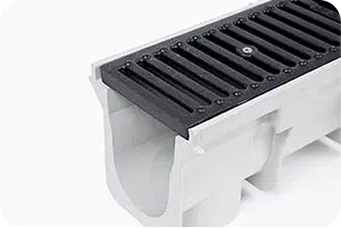
SwiftDrain LEO 1200 – Cast-In-Place, 12-Inch-Wide

Wide throat for maximum flow and velocity

Cast-in-place structure ensures maximum durability

Ductile iron frame with extreme load-bearing capability

Ideal for runway edges, aprons, fueling areas, and high-traffic airside zones

SwiftDrain 200 Series – High-Performance Polymer Concrete (8")

Excellent strength-to-weight ratio

Pre-sloped for high-efficiency drainage

Ductile iron grates support heavy GSE and aircraft operations

Suitable for hangars, taxi lanes, and apron perimeters

SwiftDrain 300 Series – Ultra Heavy-Duty Polymer Concrete

Designed for the most extreme industrial and aviation environments

Increased compressive strength

Ideal for high-impact equipment paths and heavy-duty hangar bays

Site Conditions to Evaluate

Airfield Pavement Geometry

Drain placement must align with FAA-grade slopes and airfield elevation planning

Fueling & Maintenance Areas

Requires chemical-resistant drainage due to exposure to jet fuel and hydraulic fluids
applications image

Hangar Floor Drainage

Large, smooth floors need efficient drainage to handle washdowns, maintenance fluids, and condensation

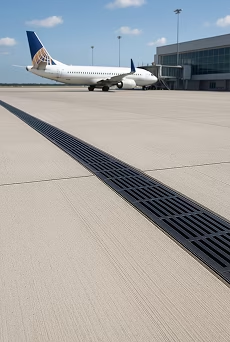
Runway & Taxiway Placement

Drainage must prevent hydroplaning while not interfering with aircraft tires or landing gear
Airfield Drainage Layout Considerations

Runway & Taxiway Edge Layout

Continuous trench drains installed parallel to runways and taxiways

Reduces water accumulation during high-volume rainfall

Aircraft Apron & Gate Layout

High-capacity drains around gates, fueling zones, and service areas

Hangar Interior Layout

Drains installed between bays or along door thresholds

Handles washdown and maintenance fluids

Fuel Farm & De-Icing Pads

Chemical-resistant systems required for de-icing operations and fuel containment

Airfield Service Roads

Drains manage runoff from heavy GSE movement

User and Operational Requirements

Zero Interference with Aircraft

Grates must remain perfectly flush with pavement

Adequate strength for aircraft wheel loading

Safety

Slip-resistant surfaces for ground crew and mechanics

Load Capacity

Must handle repetitive heavy vehicle and aircraft movements

Low Maintenance

Ductile iron grates and polymer concrete resist long-term wear

Engineering Considerations

Hydraulic Capacity

The 12-inch-wide LEO 1200 system offers maximum throughput

Structural Encasement

Reinforced concrete bedding ensures durability under load

Engineering Considerations

Engineering Considerations

Chemical Compatibility

Materials resist jet fuel, de-icing agents, and hydraulic fluids

Environmental Performance

Withstands temperature extremes and weather fluctuations

Product Recommendation

SwiftDrain LEO 1200 – 12-Inch Cast-In-Place System

Maximum Capacity | Extreme Load | Aviation-Grade

Key Features

  • Extra-wide throat for high stormwater volumes
  • Ductile iron frame-and-grate for runway-grade loading
  • Cast-in-place system ensures structural permanence
  • Ideal for runways, taxiways, aprons, fuel farms, and high-flow areas

Best For

  • Runways & taxiways
  • Terminal aprons & gate positions
  • Fuel handling & de-icing pads
  • Airfield service roads
  • Heavy-duty hangar entrances

Product Recommendation

SwiftDrain 200 Series – High-Performance Polymer Concrete

With Ductile Iron Grates

Key Features

  • High compressive strength
  • Pre-sloped for rapid drainage
  • Excellent chemical resistance
  • Suitable for heavy GSE and aircraft-rated loads

Best For

  • Hangar interiors
  • Aircraft maintenance bays
  • Taxi lanes and apron edges
  • Support vehicle corridors

Product Recommendation

SwiftDrain 300 Series – Extreme-Duty Polymer Concrete

With Ductile Iron Grates

Key Features

  • Maximum industrial strength for the harshest aviation environments
  • Exceptional resistance to impact and vibration
  • Suitable for areas with extremely heavy aircraft or equipment loads

Best For

  • Military airfields
  • Heavy equipment paths
  • Cargo loading zones
  • High-impact maintenance areas

Final Recommendations

Runways, Taxiways, Aprons & Fueling Zones

Use SwiftDrain LEO 1200

  • Maximum hydraulic capacity
  • Extreme load resistance
  • Cast-in-place permanence

Hangars, Maintenance Bays & Airfield Service Zones

Use SwiftDrain 200 Series

  • High-performance polymer concrete
  • Chemically resistant with ductile iron grates

Extreme-Duty Industrial Aviation Environments

Use SwiftDrain 300 Series

  • Ultra heavy-duty
  • Ideal for the harshest aviation and military conditions
join-bg

Request Technical Specifications

Ensure maximum performance, safety, and longevity in your airport, runway, or hangar environment with trench drain systems engineered for aviation-grade durability and capacity. SwiftDrain LEO 1200, 200 Series, and 300 Series deliver best-in-class drainage for extreme airside conditions.

Request technical specifications, CAD drawings, or speak with an airfield drainage specialist to begin planning your system.

Contact Us Today
join-card