My Cart

Product image

Swiftdrain

6″ wide pre sloped trench drain
1
$2,852
Product image

Swiftdrain

6″ wide pre sloped trench drain
1
$2,852
Product image

Swiftdrain

6″ wide pre sloped trench drain
1
$2,852
Product image

Swiftdrain

6″ wide pre sloped trench drain
1
$2,852
Total $5704.00
Checkout

Air Force Bases & Aircraft-Rated Military Operations Trench Drain Systems

application image

Extreme-Duty, Aviation-Rated Drainage for Airfields, Hangars, Taxiways & Military Flight Facilities

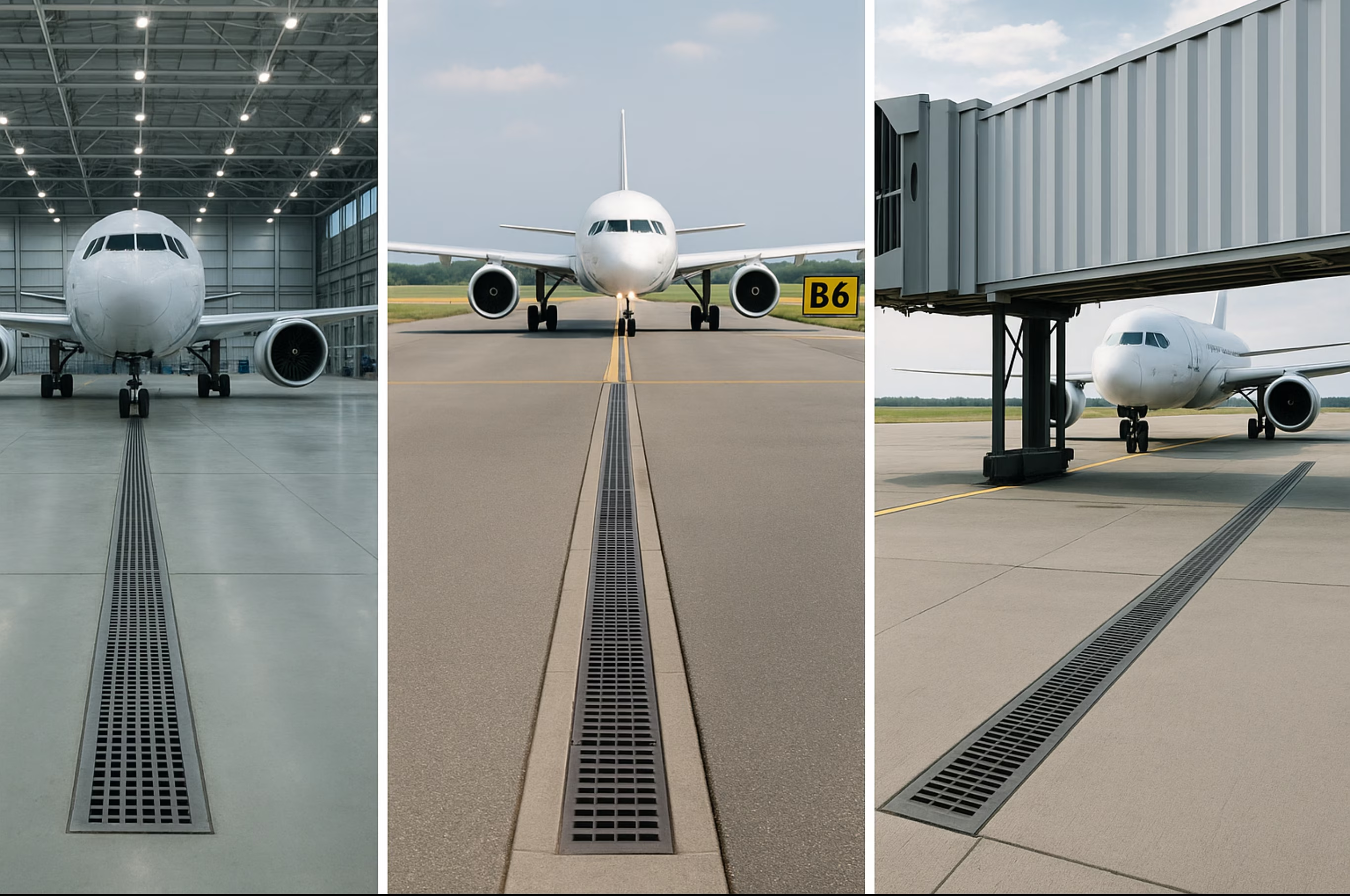
Air Force bases and aircraft-rated military operations require trench drainage systems engineered for the highest levels of structural performance, hydraulic capacity, chemical resistance, and long-term durability. These systems must withstand the combined forces of aircraft landing gear, heavy tactical vehicles, ground support equipment (GSE), fueling operations, washdown cycles, and intense environmental exposure.

This application page outlines drainage requirements specific to Air Force infrastructure and aviation military operations, including runways, taxiways, hangars, aprons, maintenance pads, and aircraft fueling zones.

Why Proper Drainage Is Critical for Air Force Installations

Air Force operations involve conditions far more extreme than standard aviation facilities. Without properly engineered trench drainage, bases may face:

  • Standing water on runways that increases hydroplaning risk
  • Flooding on aprons, taxi lanes, and fueling pads
  • Pavement deterioration from jet fuel, solvents, and hydraulic fluids
  • Interference with aircraft maneuvers and emergency operations
  • Damage to hangar floors and maintenance equipment
  • Mission-critical operational delays
  • Increased pavement maintenance and resurfacing costs

A military-grade trench drain system is essential to ensure readiness, flight safety, and long-term infrastructure resilience.

Requirements Engineering for Air Force & Military Aviation Drainage

Drainage systems serving Air Force bases must achieve performance far above commercial-grade standards.

applications image

Functional Requirements

High-Capacity Stormwater Management

Must rapidly evacuate heavy rainfall on wide open aprons and runways. Prevents surface hazards for aircraft, GSE, and crew.

Fuel & Chemical Resistance

Drainage must tolerate: Jet fuel (JP-8), Skydrol hydraulic fluid, De-icing glycol, solvents and degreasers, and firefighting foam.

Compatibility with Airfield Surfaces

Integrates fully into airside concrete and asphalt pavement systems.

applications image

Environmental Requirements

UV, Heat & Cold Exposure

Bases often operate in extreme climates. Drains must handle freeze–thaw stress and high surface temperatures.

Corrosion Resistance

Key in fueling areas, wash racks, and maintenance zones.

Load & Shock Resistance

Must tolerate high-impact from aircraft brakes, wheels, and service vehicles.

Mechanical Requirements

Aircraft-Rated Loading

Air Force operations involve:

  • Fighters
  • Heavy cargo aircraft
  • Tankers
  • Drones/UAV platforms
  • GSE fleets
  • Emergency response vehicles

Impact Resistance

  • Must resist turning, braking, and shock forces from heavy aircraft and military transport vehicles

Long-Term Structural Stability

  • Channels must remain monolithic with airfield pavement

Material Selection Criteria

Military aviation drainage requires the strongest and most chemically resistant materials available.

Load Rating Considerations

Load Class Description Air Force Usage
Class E Extra heavy Taxiways, aircraft aprons
Class F Extreme Runways, fueling pads, hangar entrances

Grate Material Considerations

Ductile Iron Grates (LEO 1200, 300 Series)

  • Highest strength available for military aircraft
  • Excellent resistance to impact and heavy wheel loading
  • Slip-resistant surface for ground crews
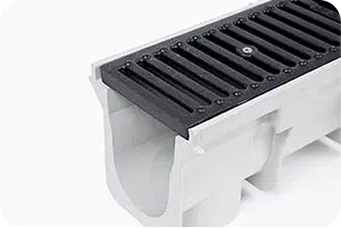
Stainless Steel Grates (200 GRP optional)

  • Used where chemical resistance or aesthetic requirements apply

Channel Material Considerations

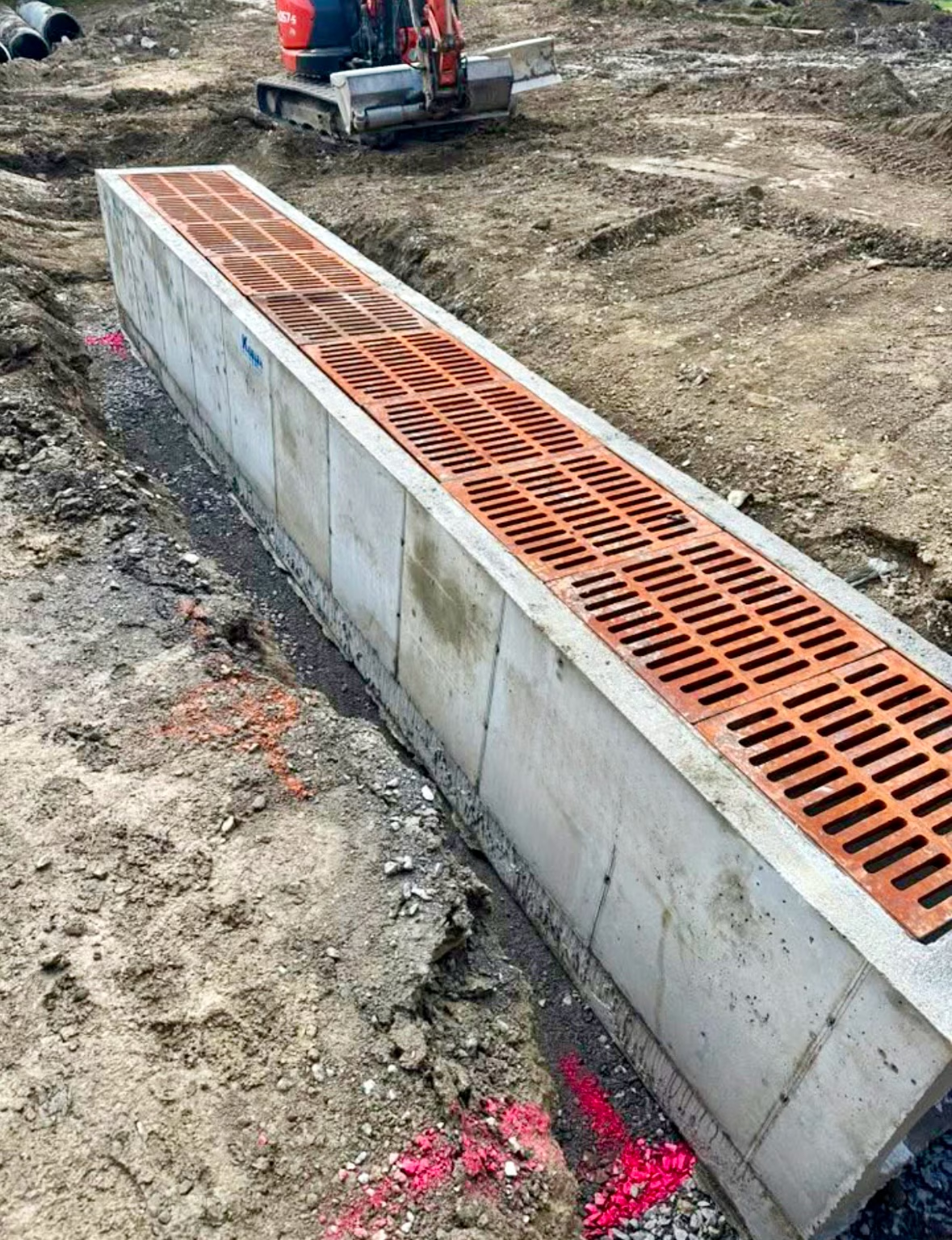
SwiftDrain LEO 1200 – Cast-In-Place (12-Inch-Wide)

  • Ideal for runway edges, aprons, fueling areas, and flight line corridors
  • Deep, cast-in-place concrete system for maximum structural strength
  • Ductile iron frame-and-grate assembly provides unmatched durability
  • Large hydraulic capacity suitable for rapid drainage across large airfield surfaces

SwiftDrain 300 Series – High-Performance Polymer Concrete

  • Ultra-high compressive strength for extreme loading environments
  • Resistant to heat, chemicals, jet fuel, and hydraulic fluid
  • Suited for maintenance bays, hangar interiors, and GSE travel lanes

SwiftDrain 200 GRP – Glass Reinforced Polyester (GRP)

  • Lightweight and corrosion resistant
  • Excellent chemical compatibility
  • Structurally strong yet easy to install for long airfield drainage runs
  • Suitable for support areas, utility zones, cable trenches, and secondary aircraft operations

Site Conditions to Evaluate

Airfield Slope & Crossfall

FAA and military drainage standards require precise flow management.

Fuel Handling Zones

Chemical compatibility is crucial.

applications image

Hangar & Maintenance Bay Floor Loads

Drains must support heavy tugs, loaders, and aircraft tow vehicles.

Stormwater Capacity

Wide, open aircraft aprons create large flow volumes.

Air Force & Military Aviation Layout Considerations

Runway & Taxiway Edge Drains

  • Continuous drainage systems for rapid stormwater removal
  • Crucial for maintaining safe take-off and landing conditions

Aircraft Aprons & Parking Ramps

  • High-capacity drains for fueling, servicing, and armament handling areas
  • Designed to manage large flow volumes and potential chemical spills

Hangar Interiors

  • Drains placed along bay centers or door thresholds
  • Handle washdown cycles and fluid spills efficiently

Fueling & POL Zones

  • Must resist fuels and maintain structural reliability in the heaviest load paths
  • Chemical compatibility with Petroleum, Oil & Lubricants (POL) is essential

GSE Maintenance Routes

  • Drains must handle vibration and turning loads from support vehicles
  • Engineered for Ground Support Equipment (GSE) traffic and heavy tugs

User and Operational Requirements

Safety

Prevents hydroplaning hazards and improves aircraft braking reliability

Mission Readiness

Drains must operate 24/7 without degradation

Maintenance Efficiency

Easy to clean and service, even under heavy operational tempo

Long-Term Durability

Polymer concrete and cast-in-place systems perform over decades

Engineering Considerations

Structural Encasement

LEO 1200 cast-in-place systems provide the strongest structural footprint

Hydraulic Throughput

Required for wide aprons and high-intensity storm events

Engineering Considerations

Engineering Considerations

Chemical Compatibility

Must resist jet fuel, Skydrol, de-icers, and solvents

Heat & Cold Performance

Must resist buckling, cracking, or heaving

Product Recommendation

SwiftDrain LEO 1200 – 12-Inch Cast-In-Place Ductile Iron System

Maximum Strength | Aircraft-Rated | Mission-Critical

Key Features

  • Cast-in-place concrete construction for monolithic, long-term durability
  • 12" throat provides exceptional stormwater capacity
  • Ductile iron frame and grate engineered for aircraft wheel loading
  • Ideal for runways, taxiways, aprons, fueling areas, and airfield corridors

Best For

  • Air Force aprons & flight lines
  • Runway & taxiway edging
  • Hangar entries
  • POL/fueling zones
  • GSE transport corridors

Product Recommendation

SwiftDrain 300 Series – High-Performance Polymer Concrete

Extreme Load | High Chemi cal Resistance | Aviation-Grade

Key Features

  • Suitable for Class E/F loading
  • Exceptional impact and vibration resistance
  • Resists jet fuel, solvents, and hydraulic fluids
  • Perfect for hangar interiors and maintenance complexes

Best For

  • Aircraft maintenance bays
  • GSE circulation routes
  • Taxi lane support areas
  • High-impact training facilities

Product Recommendation

SwiftDrain 200 GRP – Glass Reinforced Polyester

Lightweight | Corrosion Resistant | High Strength

Key Features

  • GRP construction provides superior corrosion resistance
  • Lightweight, fast installation for long drainage lines
  • Ideal for chemically aggressive or secondary operational areas
  • Optional stainless grates available

Best For

  • Airfield support buildings
  • Utility corridors
  • Cable & conduit trenches
  • Secondary aircraft operations

Final Recommendations

High-Capacity Runways, Taxiways & Apron Zones

Use SwiftDrain LEO 1200

  • Maximum hydraulic capacity
  • Cast-in-place durability
  • Engineered for aircraft-rated loads

Hangars, Maintenance Bays & Heavy GSE Zones

Use SwiftDrain 300 Series

  • Extreme structural performance
  • Superior chemical and impact resistance

Support Infrastructure & Lightweight Installations

Use SwiftDrain 200 GRP

  • Corrosion resistant
  • Ideal for non-primary airfield zones
join-bg

Request Technical Specifications

Equip your Air Force installation or military aviation facility with trench drainage systems engineered for the highest levels of structural strength, hydraulic performance, and chemical resistance. SwiftDrain LEO 1200, 300 Series, and 200 GRP provide comprehensive solutions f or mission-critical aviation environments.

Request technical specifications, CAD files, or speak with a military aviation drainage specialist to begin your system design.

Contact Us Today
join-card